Leaderboard




Popular Content
Showing content with the highest reputation since 10/17/25 in all areas
-
Let's Talk About Immich If you've been running Immich on HexOS this year, you know it hasn't been smooth sailing exactly. We want to talk about what's happened, why it was so challenging, and how we're working to handle these situations better in the future. What Happened? Earlier this year, Immich deprecated their old storage configuration and required all users to migrate to a new structure. For users running Immich through docker-compose or other manual setups, this meant updating some configuration files and running a few commands. Annoying, but manageable. For some HexOS users, the migration was more involved. Because of how TrueNAS SCALE structures application storage, moving to the new configuration required either reinstalling Immich fresh (the simplest solution) or manually migrating existing data between datasets (a process that involved SSH access, rsync commands, and careful attention to permissions). But if you're choosing between "reinstall the app" or "follow a 15-step guide," neither option feels great when you chose HexOS specifically to avoid that kind of complexity. Why Was This So Hard? When Immich made this change, we had a choice to make. We could have built a comprehensive rsync-based migration tool using the TrueNAS API. It has those capabilities. But that would have meant dropping everything else we were working on to build what amounts to using a cannon to kill a mosquito: a massive, complex solution for what we hope won't be a regularly recurring problem with this particular app. Instead, our community stepped up in a huge way. Users like @forsaken and @G-M0N3Y-2503 created detailed guides (to move or rsync your data). These guides walked through the manual migration process to preserve existing data in Immich. They focused on helping users through the immediate problem, while we continue building the platform we need to handle situations like this properly. That platform is HexOS Local: a locally-hosted management application that will let us perform complex operations without being bottlenecked by the engineering overhead of building one-off solutions through the SCALE API every time an application throws us a curveball. This reduces the technical burden on our team and, more importantly, gives us the flexibility to automate maintenance tasks that previously would have required manual intervention or massive engineering investments. This same platform will serve the Local UI/UX feature we've committed to delivering as part of our 1.0 release. We'll be talking a lot more about HexOS Local in an upcoming blog post, but the key takeaway is this: we're building HexOS to handle whatever the open-source ecosystem throws at it, without having to choose between "drop everything and build a custom tool" or "make users SSH into their servers." What About Right Now? If you're currently running Immich on the old storage configuration and haven't migrated yet, you have options: The simple path: Reinstall Immich fresh with the new configuration. Your photos will need to be re-uploaded, but the setup is clean and straightforward. The preservation path: Follow one of the community migration guides to keep your existing data in place. These guides are more technical and require command-line access, but they work. Our recommendation depends on your situation. If you have a manageable photo library and good backups, the fresh install is probably your best bet. If you have years of photos, carefully organized albums, and user configurations you don't want to recreate, the migration guides are there for you. And if this seems to daunting, email [email protected] so we can schedule a time to assist you directly. Moving Forward The Immich situation showed us exactly where we need to invest engineering effort. We can't keep facing the choice between building massive one-off solutions or asking users to break out the terminal. That's not sustainable, and it's not the HexOS we're building. Immich is an incredible project. It's exactly the kind of self-hosted solution we want to make accessible to everyone. The team behind it recently released v2.0, marking their stable release with better upgrade paths going forward. We're committed to making sure that when the next complex maintenance task comes up, whether it's Immich or any other application, we have the infrastructure in place to handle it gracefully. That's the HexOS we're building. Thanks for your patience while we get there.22 points
-
Hello all! We are excited to announce HexOS Local, powering the new local UI/UX for HexOS and capable of so much more. Read more about it on the Blogpost - Introducing HexOS Local18 points
-
We are extremely close to releasing HexOS Local, our solution for accessing/managing your HexOS servers through a locally installed application on your server. Before we roll this out to all current users, we are looking for a handful that are able/willing to help us test the migration process. The requirements are pretty simple: 1) Users that agree to enroll in this early access test will have ALL of their servers migrated (we cannot apply the test to just a single server, so if you have multiple, it's all or nothing). 2) Users must have a discord account as those accepted will be invited to our new discord server for the purposes of bug reporting and support needs. If you are interested in helping us test this, please drop a DM to @mill3000 with the subject "HexOS Local Early Access" and be sure to include your Discord username in the message. Any questions, post them here! Thanks everyone!!13 points
-
Hello, It seems the after the update some systems on reboot are reaching out to our server so it doesn't know your there. Try the following. Login to TrueNAS interface. Left side select "system". Then after screen refreshes select "shell" from the list. Paste in the following command. Can't use normal short cuts Will need to use Shift + Insert Key for pasting. sudo python /usr/lib/python3/dist-packages/middlewared/scripts/vendor_service.py If that works within about 1 min you should be able to go to deck.hexos.com and see your server or claim it.11 points
-
I'm out of town right now but let me just state that I totally get the folks that are upset. Honestly, writing blogs is pretty stressful for me as we constantly are working on moving targets and I stress over communicating about things that are still in flux and getting the words right. Tbh, I stress over comms in general. It's nerve wrecking. It's why I am earmarking funds this year to bring someone in to handle this for us. I just didn't want to spend any money on non dev/support resources until we got to 1.0. Again, I get it and I am not gonna make any excuses for it, so if you want to be mad, please direct that anger at me, not my team. They are busting their butts to get this thing polished and rolled out.9 points
-
Hey all! We've published a new blog post sharing some of the development work happening behind the scenes at HexOS. This time, we're highlighting our new end-to-end testing suite which is going to drastically help our development moving forward. Checkout the new blog post for more details! The docsite has also been updated to include two awesome user created guides regarding Immich. To be fully transparent, we are still figuring out what exactly the HexOS official solution looks like, but want to provide you with as much support as possible in the meantime. docs link: guide by @Forsaken (hub link) docs link: guide by @G-M0N3Y-2503 (hub link) Here is also a guide directly from the Immich community. If you have more specific questions/issues with Immich please put them in the Immich support section. You may have also seen that we are hiring! This role (along with our end-to-end testing) will be crucial for keeping up with apps and staying ahead of issues like the one we saw with Immich. Thank you to everyone who applied! We’ll be conducting interviews soon and are looking forward to chatting with you all.8 points
-
Another month, huh? The least you could do is respect the people waiting with some communication ahead of time. Instead it's silence all day on release day and a last-minute delay notice as if it wasn't clear days ago this could happen. You created this self-imposed deadline,, nobody forced it. A delay with advance communication - fine. But the silence until 9 PM? That's just pure disrespect7 points
-
I don't know if "many" are thinking that, @vogam7, but I'm not. As @G-M0N3Y-2503 says this is par for the course in software development. "Communication" is a lot more work and headache than you would think and their time is much better spent on making the software.7 points
-
I'm having the exact same issue on 25.10.2.1 — so the update alone doesn't fix it. I dug into it and found the actual root cause: The ix-vendor.service runs /usr/bin/start_vendor_service on boot, which calls vendor_service.py. This script starts a transient systemd unit called websocat.service (the websocket bridge between your local middleware and deck.hexos.com). The problem is that the script doesn't check whether websocat is already running before calling systemd-run --unit=websocat. If websocat is already active, the call fails with "Unit websocat.service was already loaded", but the script always exits with code 0 (it has a finally: sys.exit(0) block). Something then re-triggers ix-vendor, it fails again, and you get a rapid restart loop. Each loop iteration spawns a Python process that opens Docker sockets, and since the middlewared service only has a soft file descriptor limit of 1024, the FDs get exhausted quickly — hence the "Too many open files" error. Here's the fix that worked for me in truenas shell — a systemd override that adds a simple check before running the script: sudo mkdir -p /etc/systemd/system/ix-vendor.service.d/ sudo tee /etc/systemd/system/ix-vendor.service.d/no-loop.conf << 'EOF' [Service] ExecStart= ExecStart=/bin/bash -c 'if systemctl is-active --quiet websocat.service; then echo "websocat already running, skipping"; exit 0; fi; /usr/bin/start_vendor_service' EOF sudo systemctl daemon-reload sudo systemctl restart ix-vendor.service After this, ix-vendor shows active (exited) with status 0, websocat keeps running, and deck.hexos.com works fine. No more loop, no more FD exhaustion. I also raised the middleware FD limit as an extra safety net: sudo mkdir -p /etc/systemd/system/middlewared.service.d/ sudo tee /etc/systemd/system/middlewared.service.d/fd-limit.conf << 'EOF' [Service] LimitNOFILE=65536 EOF sudo systemctl daemon-reload sudo systemctl restart middlewared Both overrides live in /etc/systemd/system/ which - as far as I understand it "so far" - survives reboots. After a HexOS update you may want to verify they're still in place. Hopefully the HexOS team can add the is-active check to vendor_service.py itself so this gets fixed upstream.7 points
-
It's hard to believe it's already been a year since we launched the HexOS Beta and the early access campaign. What a journey it's been! In today's blog post, we're going to provide a summary of this past year's accomplishments, a run-down of what's left to achieve our 1.0 release, what's coming next, an update on the AnyRaid project, and our HexOS Holiday Sale! Read all about it in our latest blog post: https://docs.hexos.com/blog/2025-11-26.html7 points
-
Forgive me, but I'm really confused by what you're saying, which means there is clearly a disconnect in our marketing language and understanding with customers as well and I want to get to the bottom of that. Let's try some clarification here: Buddy backup is a feature that will allow two HexOS users (customers) to backup to each other's server in an encrypted fashion. There is no reason you cannot be your own buddy with a second license (e.g. you buy a second server license and put a server at a secondary location). If someone bought two licenses during black friday under two separate accounts, each account can backup to each other just the same (and if they want to merge those two accounts, we can handle that for the user). With this sale, however, we are not allowing someone to buy a second license to transfer to another user (as it would open the door to reselling licenses which we don't support). I get that the term "buddy backup" may not clearly identify that you can be your own buddy, but we thought it would be fairly obvious that if you could backup to someone else on a separate account, you could also backup to yourself on the same account. I think we could loosen the "encryption" requirement in the case of backups between two servers owned by the same account, but that's more of a technical detail than marketing. Let me know what's still unclear or how we can do better on the language here. Sometimes we can be a little too close to the trees to see the forest, so if you can help give us a better perspective, we'll work to improve our messaging in the marketing. Thanks!7 points
-
Buddy backup will definitely work with two licenses under the same account. You will be your own buddy 😉7 points
-
Another mid-quarter update featuring: - Install Script v2 with interactive questions during app installation to support user preferences (eg. Plex claim code) - Fangtooth Support with full TrueNAS 25.04 compatibility and automatic pool upgrades - Enhanced User Management with better visibility and access to folder permissions Read the full release notes: https://docs.hexos.com/release-notes/command-deck/2025-11-06 NOTE: This update was applied automatically. You may need to clear your cache.7 points
-
Introducing our V4 installation scripts. This new iteration of app install scripts has a focus of improving application stability. We have updated our curation process to reduce the likelihood of bugs in curated apps. We are now automatically creating temporary snapshots prior to updating applications. This will help eliminate the chances of apps with breaking updates damaging your data. We have also implemented a system that will heal permissions modified in TrueNAS. Modified permissions in TrueNAS previously could have unintended consequences such as preventing curated app installation. App Curations With the 7/9 release of new apps we have completed our promise to double our curations LubeLogger - LubeLogger assists users in keeping track of their car maintenance records. Navidrome - Navidrome helps facilitate hosting your own music server. Excalidraw - Excalidraw is a Virtual whiteboard for sketching hand-drawn like diagrams. Blinko - Blinko is a lightweight note taking app. Dozzle - Dozzle is a realtime log viewer for docker apps running on your server Portracker - Portracker is a realtime port monitoring tool. Fladder - Fladder is a Jellyfin frontend and will spruce up your Jellyfin experience. Jellystat - Jellystat is a statistics app for Jellyfin and Emby. Seerr - Seerr is a request management and media discovery tool that works with your Jellyfin, Plex, or Emby server. MKVToolNix - MKVToolNix is a set of tools to create, alter and inspect Matroska files. qui - qui is a fast and powerful qBittorrent web UI. Mealie - Mealie is an intuitive and easy to use recipe management app. PairDrop - PairDrop is a cross-platform file transferring app. SnapOtter - SnapOtter (currently) is a image modifying toolkit. Linkwarden - Linkwarden helps you collect, read, annotate, and fully preserve what matters, all in one place. Memos - A timeline for quick notes, daily logs, links, and snippets. Rackula - Rackula is a Drag-and-drop rack layout designer. Warracker - Warracker is a warranty tracker to monitor expirations, store receipts, files. Wiki.js - Wiki.js is an open source Wiki software AFFiNE - AFFiNE is a workspace with fully merged docs, whiteboards and databases. Sportarr - Sportarr automatically tracks and organizes live sports events across all major sports. BentoPDF - BentoPDF is a PDF toolkit built for privacy. Paperless-ngx - Paperless-ngx is a document management system. 5/20 release notes - https://docs.hexos.com/release-notes/command-deck/2026-05-20 5/29 release notes - https://docs.hexos.com/release-notes/command-deck/2026-05-29 6/6 release notes - https://docs.hexos.com/release-notes/command-deck/2026-06-06 7/9 release notes - https://docs.hexos.com/release-notes/command-deck/2026-07-09 7/19 release notes - https://docs.hexos.com/en/release-notes/command-deck/2026-07-19 7/26 release notes - https://docs.hexos.com/en/release-notes/command-deck/2026-07-266 points
-
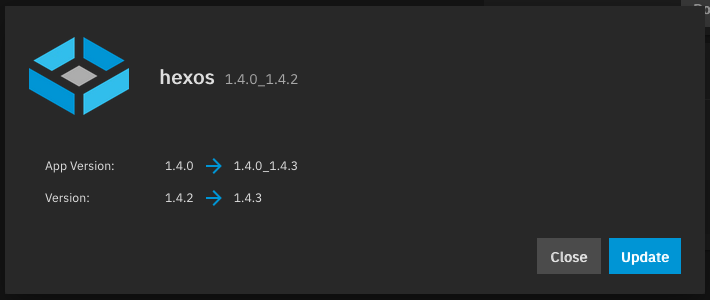
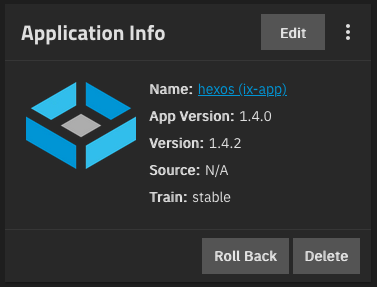
Since the rollout of HexOS local the "hexos (ix-app)" showed up in the TrueNAS app list. Makes sense for running HexOS local software on TrueNAS. The app is showing to have available updates in the TrueNAS app list. Of course, this app doesn't show up the HexOS Deck interface. So I cannot update it from there. My question is: - What should I do with this app? - Should I update it manually? - Will HexOS update it automatically? When? - Why does it show an update but didn't update automatically yet? I understand, that the intention for HexOS is to never have to touch TrueNAS. For my use cases I do very often and just wondered about this.
 6 points
 -
We have no editorial input or control over the LTT videos. We don't pay for sponsorship or anything like that either. The fact that it came out this weekend was pure happenschance. We are looking into the SMB issue and will see what we can do from our side to address. Tbh, what we have planned for the rest of the year is going to have an even bigger impact than the 1.0 release in my mind. With respect to price, an announcement about our scheduling pricing changes will be coming soon.6 points
-
Likely unpopular opinion, but thank you!6 points
-
So just to be clear... The initial deadline (end of 2025) got delayed. The self imposed new deadline (Q1 2026) got delayed. The blog post about the delay got delayed (and still not out). The extent of the communication in the meantime on they delay is a random comment buried in a random forum thread. Radio silence on the official comms (reddit, twitter, newsletter). Hard to see how that could be considered acceptable / consistent / reliable. What's the level of goodwill here to assure that even end of April release will be met? The track record so far now is the opposite - the self imposed deadline means nothing.6 points
-
HexOS Gets a Major Upgrade This release introduces an improved Apps experience, new apps, two-factor authentication support, improved GPU support, and Goldeye compatibility. Read more about it on our docsite here at Command Deck Update - December 26, 2025 Also check out our latest blog for even more details! NOTE: This update was applied automatically. You may need to clear your cache.6 points
-
First, let me start by saying I actually really appreciate this question and I hope my answer gives you faith in our long-term sustainability, exactly as you mention in the title of this thread. The lifetime license model is appropriate for a very particular type of customer with very specific priorities: Bring your own hardware Doesn't want an ongoing subscription Will mostly support themselves It was the appropriate model to launch with as well because it allowed us to inject a larger cash infusion at the start. However, we see multiple additional revenue streams available to us in the future: Subscription-based licensing. A lower price of entry for customers that aren't ready to make the lifetime commitment. Support. A more premium support model that can help you on a 1:1 basis when you have issues with your server. Cloud-based Services. Things like cloud backups (as an alternative or in addition to buddy backup). There are other cloud-assisted services such as reverse-proxy/relay that may warrant a subscription as well. Hardware products We will never force anyone to buy a specific hardware product to use HexOS, but we may offer some for those that don't want to build their own in the future. We actually have a few other ideas for additional offerings as well that would add additional revenue streams to Eshtek, but those are a little premature to discuss at this point. Bottom line: we don't just have a product plan, we have a full business plan for the future of this company and it has been designed to ensure a few key things: We don't run out of cash. We don't have to take on outside investors. We can remain true to our mission and vision. I hope this answers your question and gives you more confidence in our plans for the future. And if you have any other questions, don't hesitate to ask!6 points
-
Def not cloud only. If your isp/network supports peer to peer, we can coordinate that and then get out of the way. That is what's included in a lifetime license. If we end up having to relay traffic for some users, that will require a subscription as we will have to pay for the relay traffic, but obviously it will still be encrypted.6 points
-
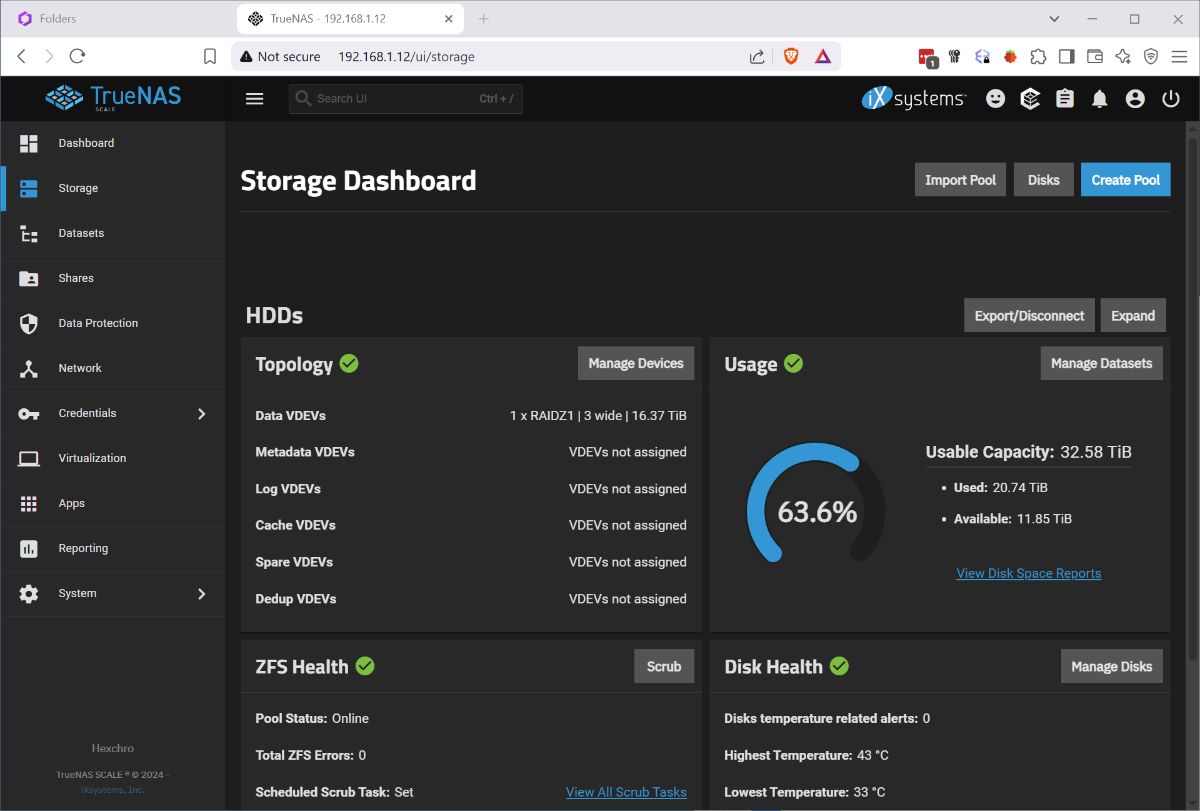
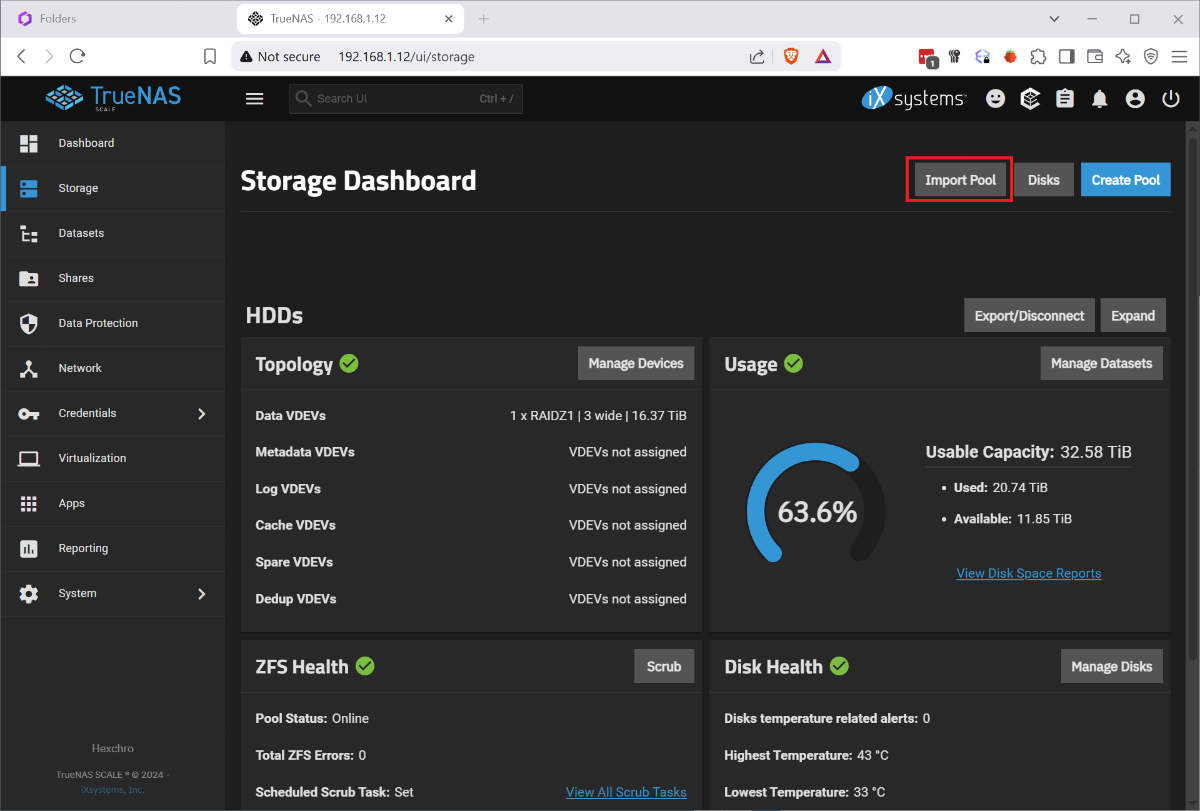
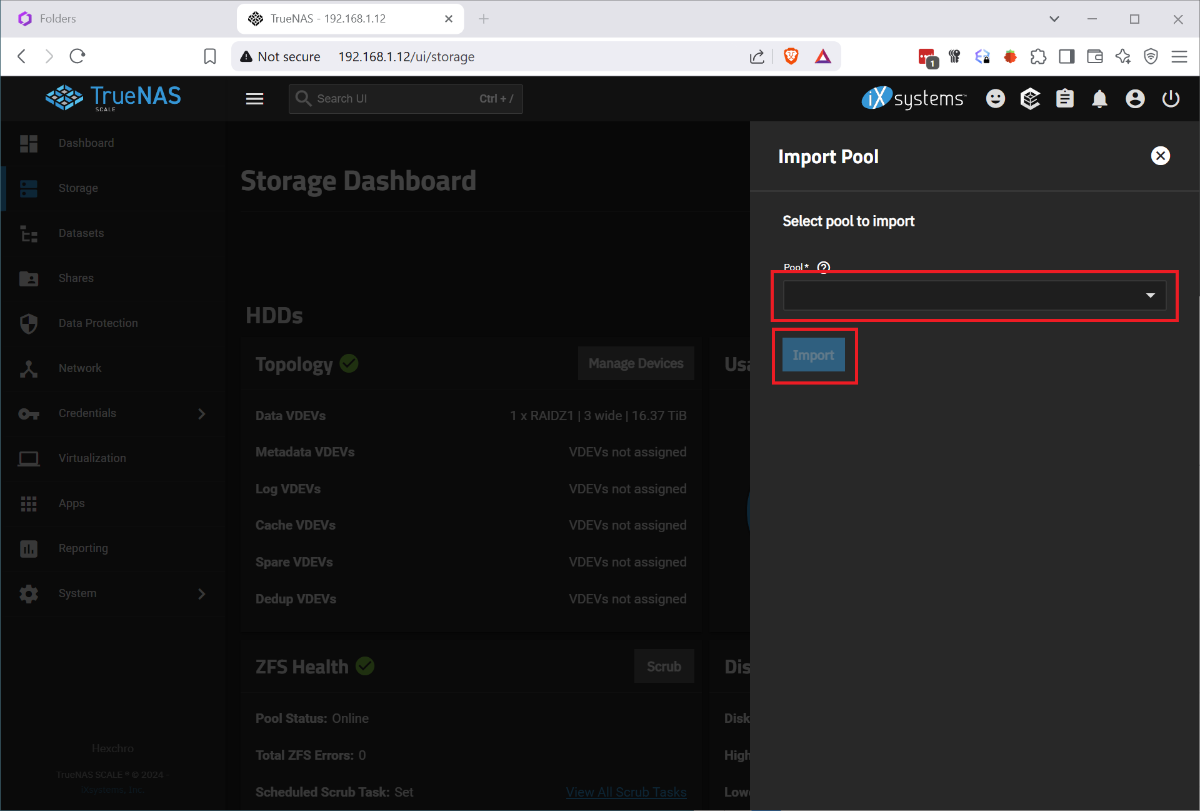
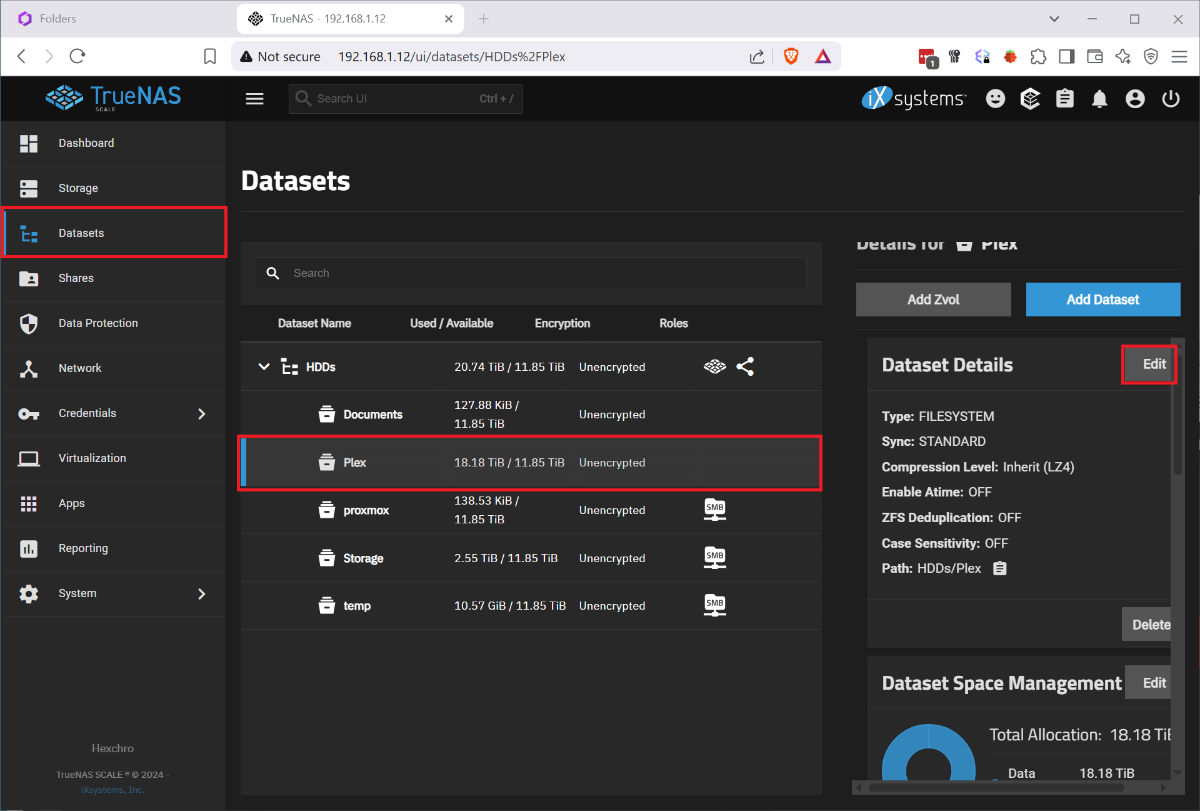
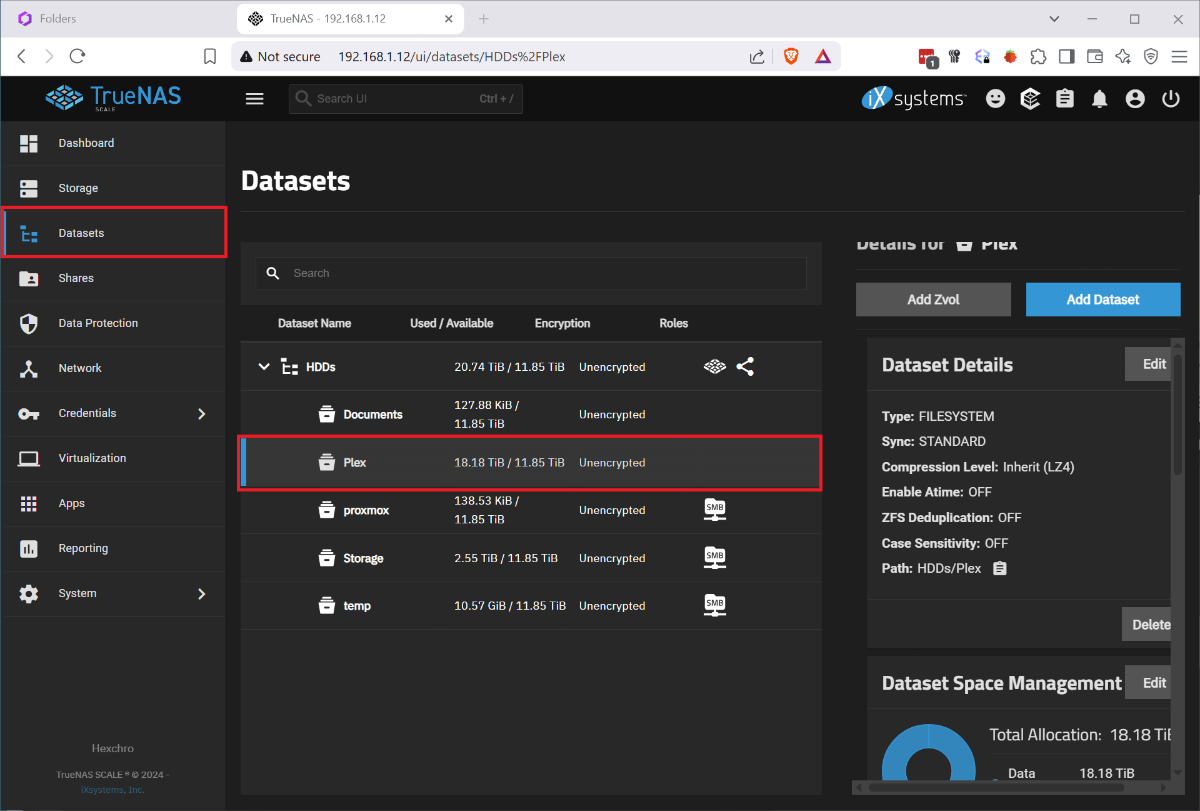
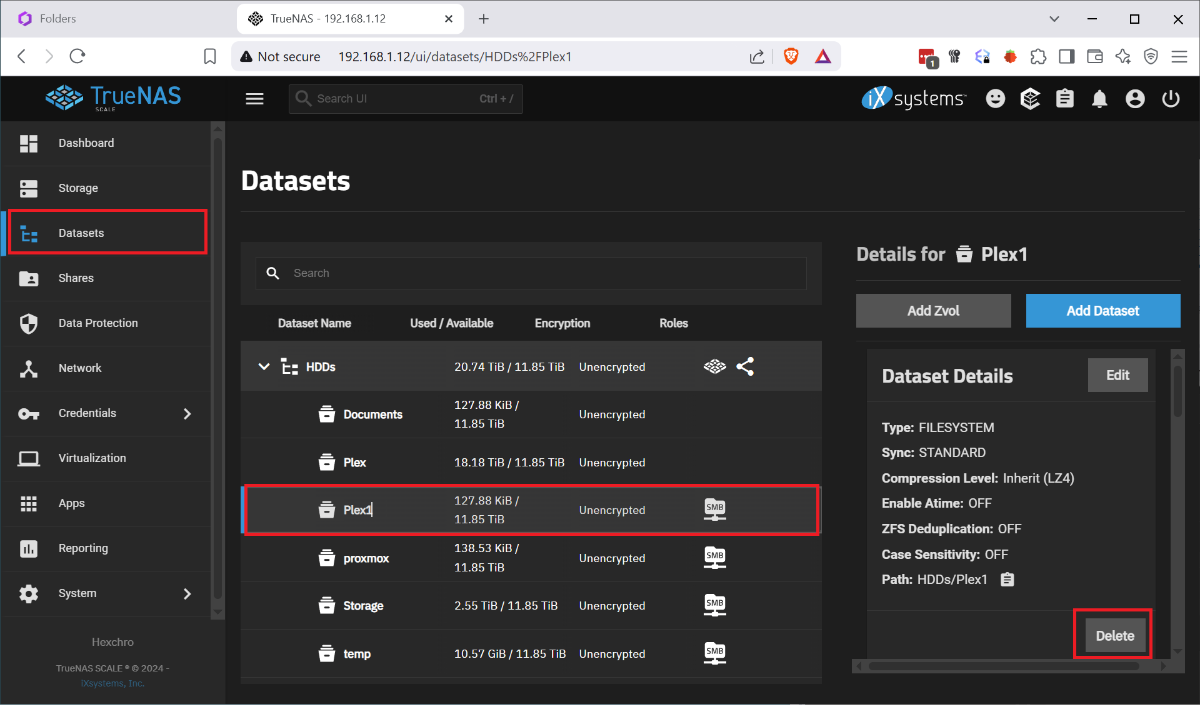
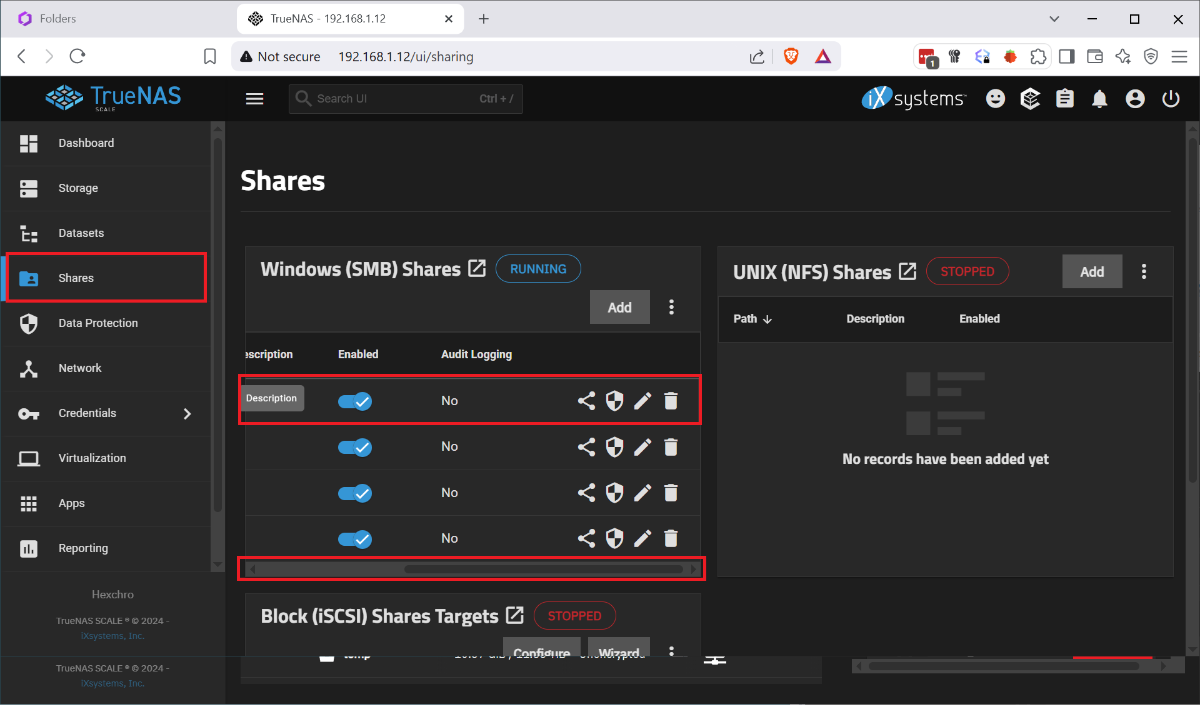
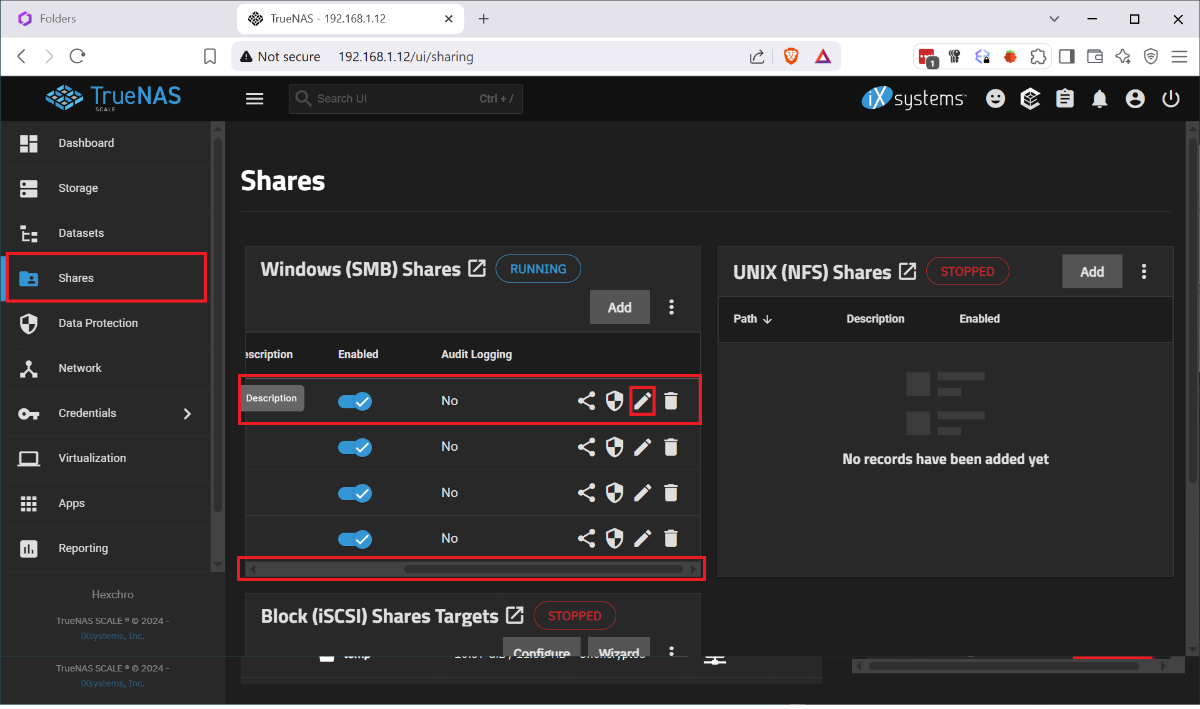
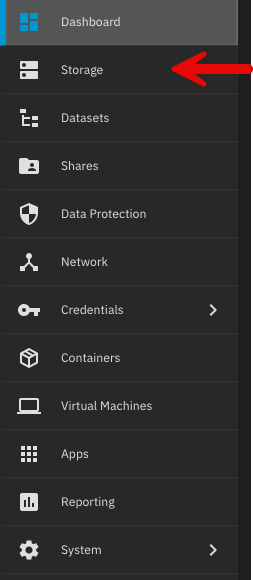
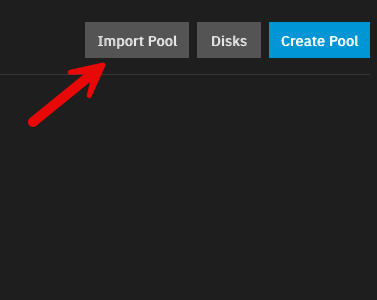
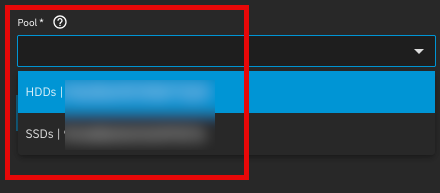
I ran into the issue that my boot drive was corrupted and I had to restore my HexOS install from scratch. I found posts that said basically just reinstall it but nothing that explained the process. I had several issues, when I reinstalled HexOS it wanted to wipe my raid, once i disconnected the raid and went through the initial setup, I had no shares. So I wanted to document this so that others with this issue find a solution instead trying to rename and recreate shares and move data between datasets. This was done after I figured out a process for doing this so sorry if I missed any steps. Step 1. Remove the bad boot drive. Step 2: Disconnect the Raid drives. Step 3: Install your new boot drive and usb HexOS install media. Step 4: Follow the standard install process, including setting your admin account and claiming your server. When you finish the setup you will not have any disks so you will name your server and just continue. Step 5: Shutdown the system. Step 6: Reconnect your raid drives and boot up. Step 7: Log in to the TrueNAS gui by going to the IP address of your server in the browser and using the credentials you set up during install Username: truenas_admin Password: <whatever you entered at install>. Step 8: Go to Storage Tab and select Import Pool. 9: Select your pool from the drop down it should be named 'HDDs' and select Import. It will take a few minutes to import and complete. At this point the storage should be detected in HexOS and you should be able to start creating shares, but your existing folders and shares will not have returned. To get your shares back you must recreate them by renaming your datasets and naming them back as follows: Step 1: Under Datasets you can find all of your existing data on the RAID. Find the Dataset you want to restore in HEXOS and note the name. Step 2: Back in HexOS go to the Folder tab and select 'New Folder' Note: you may want to recreate your old users manually or create your folders with public access and recreate the users and add permissions later. Step 3: Create a new folder with the same name as the Dataset but add a 1 (In this case 'Plex1'). Make sure to keep the array the same 'HDDs; and give it the permissions you want (this can be adjusted later). Step 4: Back in TrueNAS go to Shares and select the edit button on the 'Plex1' share, depending on screen resolution you may need to scroll the horizontal scroll bar to the right. Step 5: In the side bar remove the '1' from the Path or use the drop down to select the original shared folder, then click into the Name field which should auto update and remove the 1. Step 6 Scroll down and click 'Save' and you will be prompted to restart the SMB service, do this and your share should be updated. Step 7: Navigate to the dataset tab select the 'Plex1' dataset and click delete on the right side. It will make you confirm by typing the whole dataset path. Step 8: When this is done you should be able to refresh the folders tab on the HexOS page and see the updated folder name (it took a minute to refresh for me). Redo this for each share that you wish to recreate. Once I did this and set up the users and permissions correctly, other servers I used to connect to my shares started working seamlessly. I didn't experience this but I can imagine you may run into some permissions issues since the new users in HexOS could have different IDs than before. Unfortunately you would need to manually adjust permissions on the files and folders. P.S. I imagine minutes after posting this someone will tell me I am dumb and should have done it this way, or someone else posted better over here. If that's the case let me know and Ill point to a better example, but when I needed help I couldn't find it.
5 points
-
https://docs.hexos.com/release-notes/command-deck/2026-08-07 Pretty significant update and groundwork has been laid for buddy backups (coming soon)!5 points
-
https://docs.hexos.com/blog/2026-04-02.html5 points
-
This one is entirely on me. I am traveling today but I will be working on getting this blog post up tomorrow (April 2nd). I'm also planning to hire someone to take over marketing/comms this year as a full time position.5 points
-
It also could be the case that they've done a bunch of internal testing and are just gradually rolling it out. But In software development delays occur, and people will be upset. It's way better to phrase an initial role out as early access testing in case there is an unforeseen showstopper. Than say it's good and then be called out for buggy software. So really it's a matter of if they hire PR or a community manager or not. I vote that there are better ways to spend that money. Considering that roadmaps and timelines are just a guess to attempt to make people happy, from my perspective they've been about as inaccurate as I'd expect, so no red flags from my perspective.5 points
-
Should be no risk to data loss at all. The biggest risk is getting disconnected from our deck for server administration. That's why we want users to be able to talk to us via discord so that we can quickly remediate those types of problems if they occur. The big switch here initially is going to be authentication. We're moving to key cloak and we set up a more robust infrastructure to enable us to migrate users between production and development environments very easily. While we've done a ton of internal testing on this, we just want to be extra cautious before doing a mass migration of thousands of users all at once. Technically this is still pre 1.0, but the only things that really remain for us are hexos local and some improvements to our health monitoring systems.5 points
-
Pushing a live hotfix right now that should address the majority of issues. For those experiencing problems, this should resolve them. If you are still stuck with specific apps, click options, reset, and try again. Still stuck? Email [email protected] so we can investigate further.5 points
-
OMG, I totally see the confusion now. I have edited that post and reworded it to be more clear. TrueNAS has no built-in means to do backups as part of their OS unless you consider rsync cron jobs/replication tasks as "backup". They don't facilitate the connection between servers or even setup the SSH permissions for you (you have to do all of that yourself). This is where our solution takes things a step further. We intend to make the experience much simpler. First you "friend" someone else that is a HexOS user (if you're doing the "buddy" approach). Then you will grant that user "permission" to backup to your system (and set a quota). Then they accept the request and authorize the backup in return (if you're doing that). Then we do the rest (establishing a secure VPN tunnel between systems, creating appropriate SSH users and handling the key exchange, etc.). You'll definitely be able to leverage the buddy backup system between two systems licensed under the same account. That would be silly of us to prohibit or unnecessarily complicate. I get the confusion. Buddy backup is just the marquee feature name for our backup solution between two servers. Every server needs a license. So if you and a buddy want to backup, you both have to have your own licenses under your own accounts. If you have two licenses for two systems under 1 account, you can use the same "buddy backup" system to handle that job as well. Apologies for muddying the water on my initial response. I can see how that had some folks confused, but I hope this clarifies.5 points
-
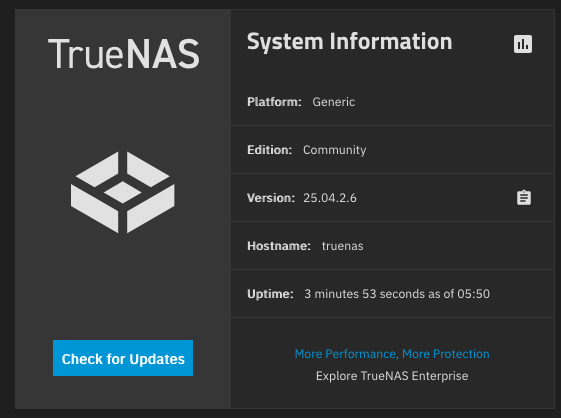
UPDATE: As of 4/17/26, we have updated the ISO installer to run on version 25.10.3 of TrueNAS SCALE. Existing users should NOT reinstall to get this version. You can update from within the Activity card on the Dashboard (or the Notification). Hello and thank you for joining the HexOS beta program! You are an elite and vital part of this project and your participation is greatly appreciated. This post contains all the information you will need to get started with HexOS and how to communicate with our team during your beta experience. Disclaimer Beta Products, Software, and any related Services are still in development, and therefore, you are advised to safeguard important data, to use caution, and not to rely in any way on the correct functioning or performance of the products, software, or any related services. Beta Products and Services are provided to you “AS IS”, without any warranty whatsoever. Expectations During your participation in the beta, we expect you to do the obvious: use and test the software. But we also expect you to communicate with us when things don’t go right or if you’re having trouble. Please post feedback and let us know about your experiences, good and bad. That being said, please remember that this is beta software and early access. HexOS has a long and healthy roadmap ahead. Quickstart Guide For those that just want to get started, here’s the TLDR: NEW: We have released our own imaging tool for creating the OS installation media on a USB stick. You can find it here in our docs; https://docs.hexos.com/getting-started/installation/InstallGuide Alternatively, you can download the ISO here: https://downloads.hexos.com/TrueNAS-SCALE-25.10.7-HexOS.iso or https://hexos-downloads.sfo3.cdn.digitaloceanspaces.com/TrueNAS-SCALE-25.10.7-HexOS.iso (SHA256 Checksum: e551911445c95c1943e6638091896f34d2d423900cccd688ac09d811e78ed450) Use a tool such as Balena Etcher to image a USB flash device with the ISO. Boot your server from the flash device and install the OS to preferably an SSD. When given the option, opt to create the admin password in the installer (do not select the option to "Configure using WebUI"). Remove the flash device and reboot your server when the install is complete. From another device (mobile, tablet, desktop) that is on the same LAN as your server, login to https://deck.hexos.com using your HexOS credentials. Follow the instructions to complete your server configuration. NOTE: As of the 24.10.2.2 build of this ISO, configuring the admin password via the webUI option has been removed from the installer. However, if you select to create an admin password, but then attempt to "cancel" that process, the ISO will proceed with an installation with no admin password set. This is a known bug and the TrueNAS team will be addressing this in a future update to the ISO. Just don't cancel out of creating the admin password in the installer ;-). Hardware Requirements Booting HexOS is designed to support a wide variety of x86 hardware (Intel or AMD). The minimum requirements are a 2-core 64-bit CPU, 8GB of memory, and a 16GB or larger SSD boot device. However, depending on your needs for performance and applications, more resources may be required. Storage Pools Pools are made up of storage devices based on size and type (HDDs vs. SSDs). Storage devices in each pool need to be roughly the same size*. The OS boot device cannot be a part of a pool. Expandable pools require a minimum of 3 devices and can be grown one device at a time. Non-expandable pools can be created with 2 devices. Initial pool width should not exceed 8 devices. Maximum expanded pool width should not exceed 12 devices. At least one storage pool must be created to use HexOS. *In the event of slight variations (e.g. 240GB and 256GB), devices can be grouped, but total capacity for the pool will sacrifice the larger device’s excess storage. Build Recommendations HexOS has been designed so that a relatively modern PC can be easily transformed into a very viable home server. This means using standard HDDs/SSDs and using onboard controllers for storage/networking. However, since we’re based on TrueNAS, our hardware support is actually rather vast. For more detailed hardware recommendations for advanced builds, please refer to the TrueNAS SCALE Hardware Guide. Installing in a VM As HexOS is based on TrueNAS SCALE, it can be installed as a virtual machine as well. While the process should be fairly self-explanatory, please see the TrueNAS SCALE documentation for additional instructions on VM installation. Setup and Configuration Once the OS has been installed and rebooted, you will use a web browser on the same network as your server to register your system and complete the setup process. This can be a PC, tablet, or mobile device. Using a capable browser, login to https://deck.hexos.com. Beta 1 Features Our first release is focused on providing a streamlined user experience for setup and configuration and laying the framework for what’s to come. The main features of Beta 1 include: Setup and configuration wizard Configure your home server in minutes with ease. Analyze system health, with warnings for SMR HDDs. Auto-configure storage pools to safeguard against device failures. Securely manage your server remotely via Command Deck. Storage device management Detect error states and conditions and report through the dashboard Highlight individual storage devices and their respective faults Replace devices from storage pools due to failure or preventative maintenance Expand pools as little as one device at a time Folders and users Create and share folders over your local network. Easily manage permissions for secure access. Apps One-click deploy Immich as a personal photo library app. One-click deploy Plex as a home media server. Automatic folder creation for app storage. Dashboard / UI Access key statistics like CPU, memory, network, and storage usage at a glance. Monitor storage health and see alerts for errors or degraded pools. Manage multiple servers from a single, unified interface. Enjoy mobile-responsive design for effortless navigation on any device.5 points
-
https://docs.hexos.com/blog/2026-09-09 Buddy Backup is now in beta: back up your HexOS server to a friend's, fully encrypted, with no monthly cloud storage bills. Learn how it works, what your buddy can (and can't) see, and how to join the rollout.4 points
-
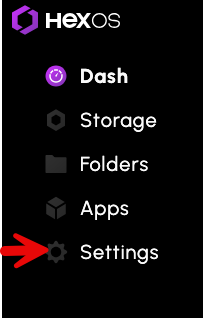
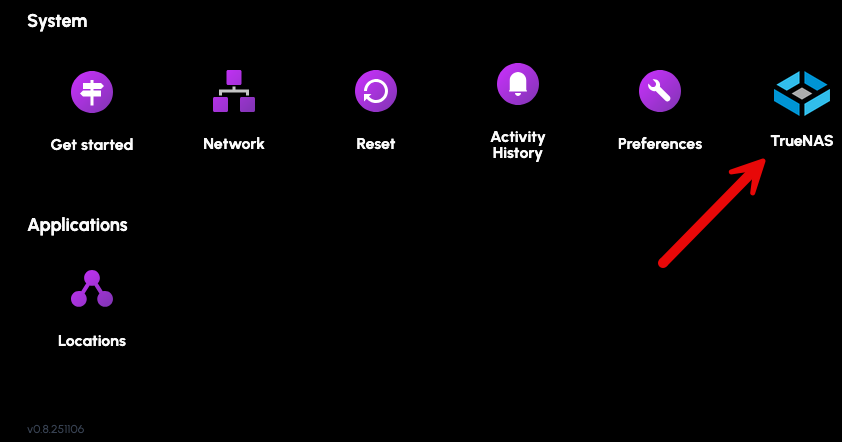
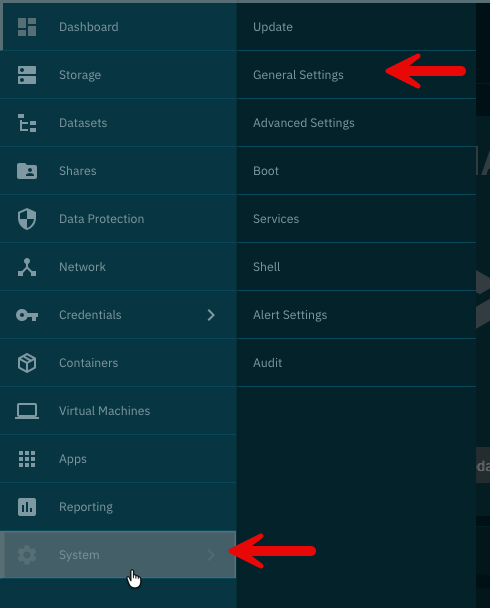
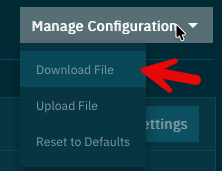
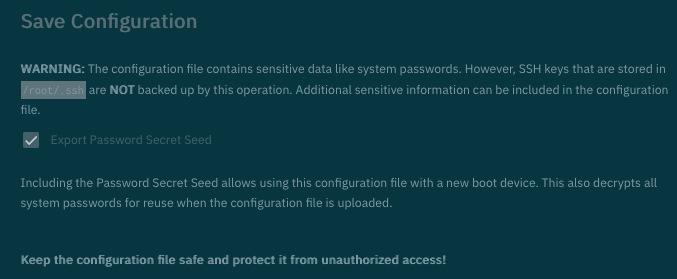
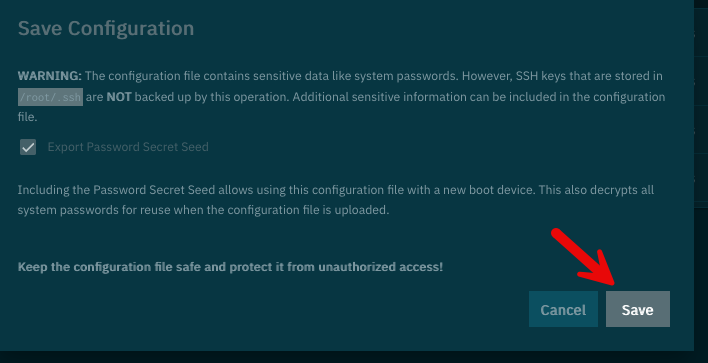
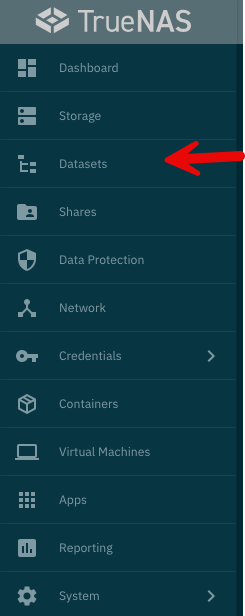
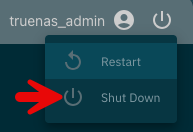
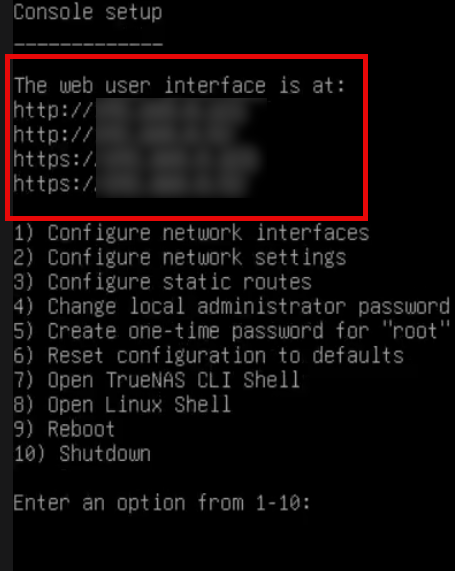
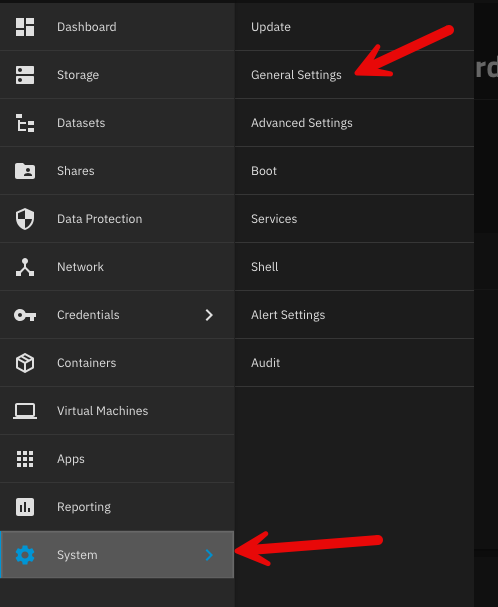
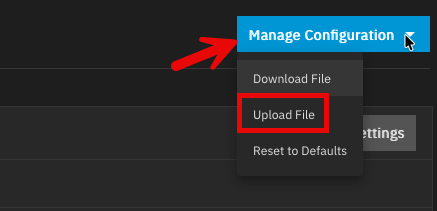
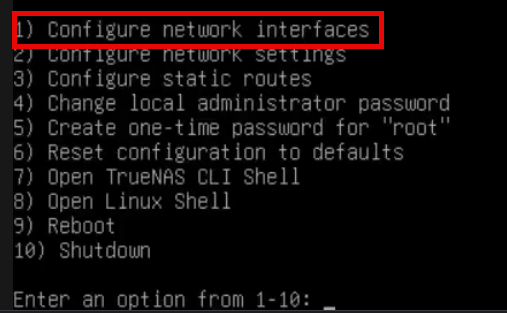
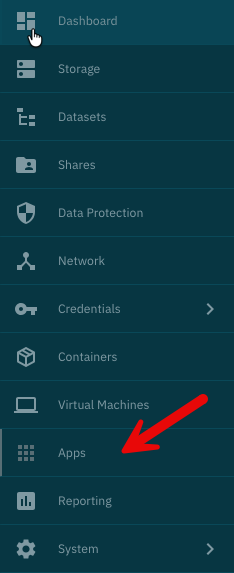
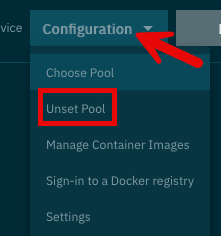
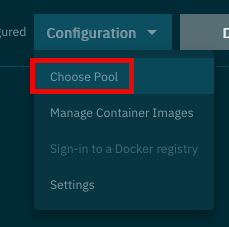
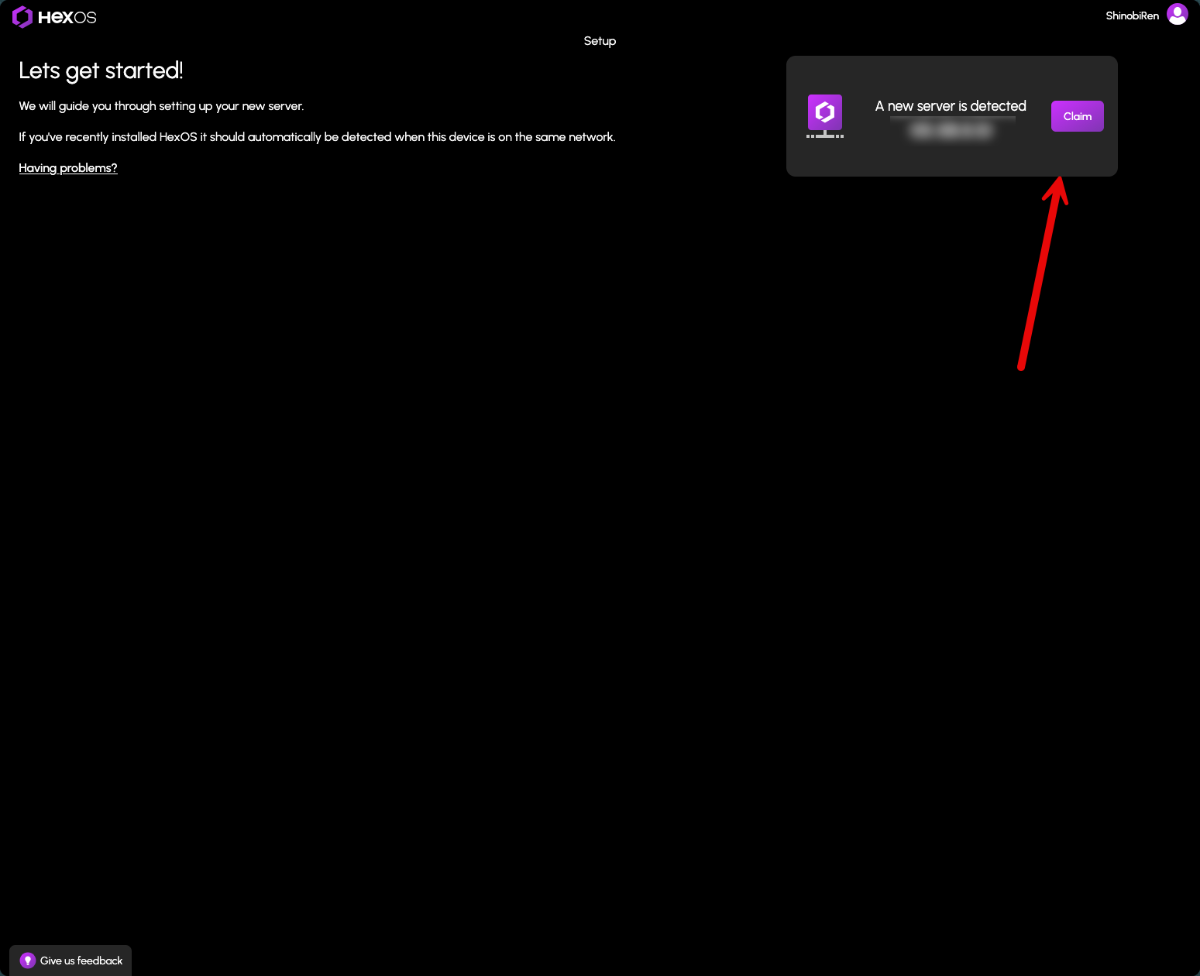
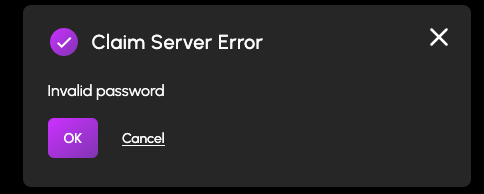
First, a huge thank you to @lnkd for posting the actual steps to do this. All I did was follow everything they said and take pictures, so really all credit goes to them. Original post here: Prepare TrueNAS for reinstall: 1. Login to TrueNAS web interface – go to deck.hexos.com and click Settings: Then click the TrueNAS icon: 2. Once logged into TrueNAS, go to System > General Settings > Manage Configuration > Download File: 3. Read the note presented when you click Download File: 4. Click Save: 5. If you have encrypted datasets, go to Datasets > select the encrypted dataset > Export Key: 6. Now it is time to shutdown the server. In the top right of the TrueNAS web UI click the power icon and click shutdown: 7. Make your changes to the hardware that you would like – for me I added a 10 GB network card to run off fiber. 8. Prepare the HexOS installation drive by following these steps: https://hub.hexos.com/topic/103-illustrated-installation-guide-start-here/ 9. In your router settings, give the new hardware the same IP as your old one, then restart TrueNAS to grab the correct IP. 10. Once rebooted you can confirm on the server the IP address is correct: 11. Login to the TrueNAS web interface with the username and password you set during install (username should be truenas_admin). 12. Confirm your version on the dashboard – if needed, apply the update to the server: a. To confirm what version you need check the filename of the .tar file you downloaded from your configuration. It will have the version number on the end of it. b. Select the same version from the upgrade screen and confirm you want to switch to that upgrade train. c. Apply the pending updates and the system will reboot. 13. Go to Storage > Import Pool > find your zpool: 14. I have two pools so I will import them both. 15. Go into System > General Settings > Manage Configuration > Upload file: 16. The server will reboot after the configuration is applied. Log back into the TrueNAS server once the reboot is finalized. 17. If, like me, you replaced the network cards you will need to login directly to the server and adjust the IP settings: 18. Setup your new interface with the primary IP in CIDR notation, then you can log back into the TrueNAS server. 19. To setup apps, you need to go to Apps > Configuration > Unset Pool: 20. Restart your TrueNAS server then go back into Apps > Configuration > Choose Pool: 21. Once the pool is set you will see your apps again and be able to start them. 22. Navigate to the HexOS Interface (http://deck.hexos.com), unclaim your old server and claim your new one: 23. I ran into an issue where no matter what password I input it would not take it: 24. Currently troubleshooting that to be able to claim my HexOS server in the deck. All of my apps and storage are up and running so I will report back here when I fix this issue.
4 points
-
We can't solve the world's problems or be their nanies. We give or customers options and they choose if they want to use them or not.4 points
-
Title says it all. Thanks.4 points
-
This is something we are working on.4 points
-
Yes you can ignore it for now. I beleive we fixed this in dev but not sure when it will be pushed out. Might come with a host of other things.4 points
-
Down the Road, it would be really awesome if we would get a curated installation for Paperless-NGX! https://docs.paperless-ngx.com/ Paperless is a really awesome Document Management System for all sorts of things. Paperless have lots of Small Features like full OCR and full in document text search. With a Duplex scanner, you can easly backup ALL of your paper documents and have them automatically sorted - a perfect companion for HexOS that aims to make digital backups a breeze! With a Curated and easy install, it could also help to backup analog paper 🙂4 points
-
We've added everyone from our list. We'll start to migrate people based on the order of purchase to local UI.4 points
-
The teams working as hard as they possibly could on this and when participating in a beta delays, bugs and broken updates are to be expected. Personally I would prefer delays over broken updates.4 points
-
1.0 should be out today. When will it be pushed out?4 points
-
I would like to see first party support for placing any app behind some of the most popular VPNs (PIA, Nord, Express, Proton, Tailscale, etc), as well as custom VPNs (WireGuard, OpenVPN, etc). For example, you may install “The Lounge” IRC client and have all internet communication pass through a PIA VPN so that your home IP is not exposed while chatting. Traditional methods of doing this involve painful configuration of iptables or other firewall rules. I believe this is an area where HexOS could really simplify things: Install a VPN plugin, authenticate with it, and then simply assign an app to a VPN plugin via the app’s settings if desired. It would be fully accessible from the home network without going through the VPN, but all internet traffic would go through the VPN with a kill switch in case the VPN goes down. Thoughts?4 points
-
Try the following. Most likely this will fix your issue. If this does, TrueNAS has a fix that is in it's next update. Login to TrueNAS interface. Left side select "system". Then after screen refreshes select "shell" from the list. Paste in the following command. *Can't use normal short cuts* Will need to use Shift + Insert Key for pasting. sudo python /usr/lib/python3/dist-packages/middlewared/scripts/vendor_service.py If that works within about 1 min you should be able to go to deck.hexos.com and see your server or claim it. You might need to run this after reboots. Let us know if this works. Thank you,4 points
-
So I noticed that HexOS requires encryption at the folder-creation stage for future offsite backups. Since Buddy Backup isn't out yet, how will the migration path look for users who have already populated large unencrypted datasets? Specifically: Will there be a built-in 'Migrate to Encrypted' tool to move data into a new encrypted dataset for Buddy Backup? Will Buddy Backup support 'Replication-level encryption' (encrypting the stream during transit/at rest on the destination) without requiring the source folder on my local NAS to be encrypted? What about application data folders that are already not encrypted, how would those be handled?4 points
-
To celebrate the holidays and thank our community for their continued support, we're excited to announce our HexOS Holiday Sale, starting today! Existing customers can purchase additional licenses for just $99 each, perfect for expanding your home server setup. New customers can take advantage of our special two-pack bundle for $298, with additional licenses available at the same $99 promotional price. Single licenses remain available at $199 until our 1.0 release in Q1 2026. This holiday pricing for additional licenses and the two-pack bundle is available through December 31st, so don't miss out on this opportunity to join or expand your HexOS experience. Please note: License transfers are not permitted. All licenses are tied to the purchasing account. Buy now from the HexOS Store!4 points
-
So after some digging, poking and planning I have NAS 2.0. Unlike my first nas that was built off of pure storage round 2 is planned on the fact that I have found a better way for my use case to use hexos. So moving to a newer cpu platform will give me more horsepower down the road swapping from a i3 8350k to an i7 10700. Moving to storage I will have 3 128g ssd as pool 1 for all my apps and vms. Next to that is 4 12tb drives that will be the main pool for storage. Setting up the next 6 8tb drives will be my once a month storage point "the drives will be spun down when not in use". As far as my old setup it will be getting 15 8tb hdds and will be colocated for in case things happen at home storage.
4 points
-
Hi, very nice update, here are some points of feedback: On the Immich app, it showed the button "An updated configuration is available for this app", which I clicked. Afterwards, my Immich instance wouldn't start up again. I looked into it on the truenas interface where the server container wouldn't start but instead display long error messages before crashing. I noticed that the data storage path was moved from "Host Path" to ixVolume. After I changed it back to the original path, everything worked again. If the switch to an ixVolume is intended, I'd like to have the option (in HexOS) to choose a host path instead, as I want to be able to access my photos via the smb share from another pc. I guess, my trouble with the immich app could have been avoided, if the update notification in the HexOS interface showed the changes clearly, instead of the generic "This will reset every change you made in TrueNAS" message that pops up right now. Also, I installed Nextcloud before it was curated on HexOS, so now I would be interested in migrating my installation to the curated version (without uninstalling and re-installing the app). I tried using the configuration update button, which (expectedly) did not do anything.4 points
-
The difference is pretty big, while they do the same thing, they do it very differently. Immich just stores all the images in plain on the file system, all the processing is done on server side, you can connect an external library and if your Immich DB or installation becomes corrupted or breaks and there is no more support for Immich you just take the photos folder and move on. But the admin and everyone who's access to the folder can see all the photos of everyone, so privacy is not that great, but administration is easier and recovery in case of an issue is easy. Ente (FunFact: Ente is German for Duck) is all about privacy. The photos are all encrypted on the server and only the client side can decrypt/see the photos. This also means that the client side needs to do all the processing, but therefore the server can be very low spec (although this doesn't matter in our case, because Hexos needs to run in the first place, so HW specs is not really a concern in any way) and it needs S3 storage and requires more setup an administration. However if your Ente DB becomes corrupted or the Ente app breaks or the Ente dev stops and your app becomes unusable, you lose all your photos, because you cannot access it any other way. But until that happens only your client side device can access the photos and no-one else can.4 points
-
Just got off a call with a few of the Eshtek guys, they set me straight very quickly. Before I called them, I dove into what others here have done. Here is what fixed the router swap for me: Sign into the TrueNas Scale Web UI. Go to Network: Go to Global Config settings: Change Nameserver1 and IPv4 Default Gateway to the IP address on/of your router. My issue was that I kept changing the NAS IP address to the IP of the NAS, not the router. Essentially, I was signed into my router interface, looked up what the NAS IP address was, and kept changing the Nameserver1 and Default gateway to that IP, when I should have been setting it to the IP of the router. Once that is done, my NAS found the internet again, the HexOS deck found a server and I was set! I had to skip the initial setup in order to prevent wiping the drives, but I was saved. Thanks to Nick and Eric!4 points
-
Another mid-quarter update featuring: New curated app installations Update to the qBittorrent installation Read more about it on our docsite here at Command Deck Update - November 25, 2025 NOTE: This update was applied automatically. You may need to clear your cache.4 points
-
As of today, yes, you can access your server from anywhere using deck.hexos.com. I have a discussion planned with the team to allow you to disable remote access which would be as simple as us verifying the WAN IP of the client device being used to connect to the deck and making sure it matches the server's WAN IP. When HexOS Local arrives, you will be able to even further reduce your cloud dependency, but there are some features like installing apps/VMs, configuring buddy backups, and e-mail notifications that will require a connection to our deck. Thankfully that connection is outbound from your server, which doesn't require you to open any ports on your firewall and expose the system to the wider net. We also do have plans to implement oAuth and 2FA in the future to further enhance security and options.4 points